
Child Development & Learning Centre Bengaluru

Personalised Learning & Child Development • Kamanahalli, Bengaluru

OCCUPATIONAL & SENSORY SUPPORT

Helping Children Build Regulation, Coordination and Confidence in Everyday Activities

Everyday activities require many different skills to work together.

Children need to process sensory information, coordinate their movements, use their hands effectively, maintain an appropriate level of alertness and organise their bodies to complete everyday tasks.

At AstraKids, Occupational & Sensory Support focuses on helping children develop practical skills for regulation, coordination, participation and greater independence.

✓ Sensory Regulation ✓ Fine Motor Skills ✓ Coordination ✓ Everyday Independence
REGULATE MOVE COORDINATE PARTICIPATE PRACTISE BUILD CONFIDENCE GROW INDEPENDENCE REGULATE MOVE COORDINATE
Child participating in occupational and sensory activities
EVERYDAY PARTICIPATION Build practical skills through meaningful activities.

UNDERSTANDING OCCUPATIONAL & SENSORY DEVELOPMENT

Everyday Skills Support Participation and Independence

Occupational development in childhood relates to the activities children need and want to participate in every day.

Playing Drawing & Writing Using Classroom Materials Dressing Eating Personal Hygiene Organising Belongings Participating in School Moving Through Environments Playing With Other Children Following Everyday Routines
When sensory, motor or coordination difficulties make these activities challenging, children may need additional strategies and structured opportunities to practise.

UNDERSTANDING SENSORY PROCESSING

Every Child Experiences Their Environment Differently

Throughout the day, the brain receives and organises information through many different senses.

01

Sight

What we see.

02

Sound

What we hear.

03

Touch

What we feel against our skin.

04

Taste

What we taste.

05

Smell

What we smell.

06

Movement

How our body moves through space.

07

Body Awareness

Where our body is and how much force we use.

For some children, particular sensations may feel stronger, weaker or more distracting than they do for others.

EVERYDAY ENVIRONMENTS MAY FEEL DIFFERENT

What Feels Comfortable to One Child May Feel Overwhelming to Another

Parents may notice sensitivity to particular sounds, textures, environments or types of movement.

MAY AVOID OR FIND DIFFICULT Loud or unexpected sounds Busy environments Bright lighting Clothing textures Certain food textures Hair brushing Tooth brushing Messy play Strong smells Unexpected touch
MAY ACTIVELY SEEK Constant movement Jumping Spinning Touching objects Chewing objects Climbing Strong pressure or squeezing
These responses should be understood in the context of the individual child rather than simply labelled as difficult behaviour.
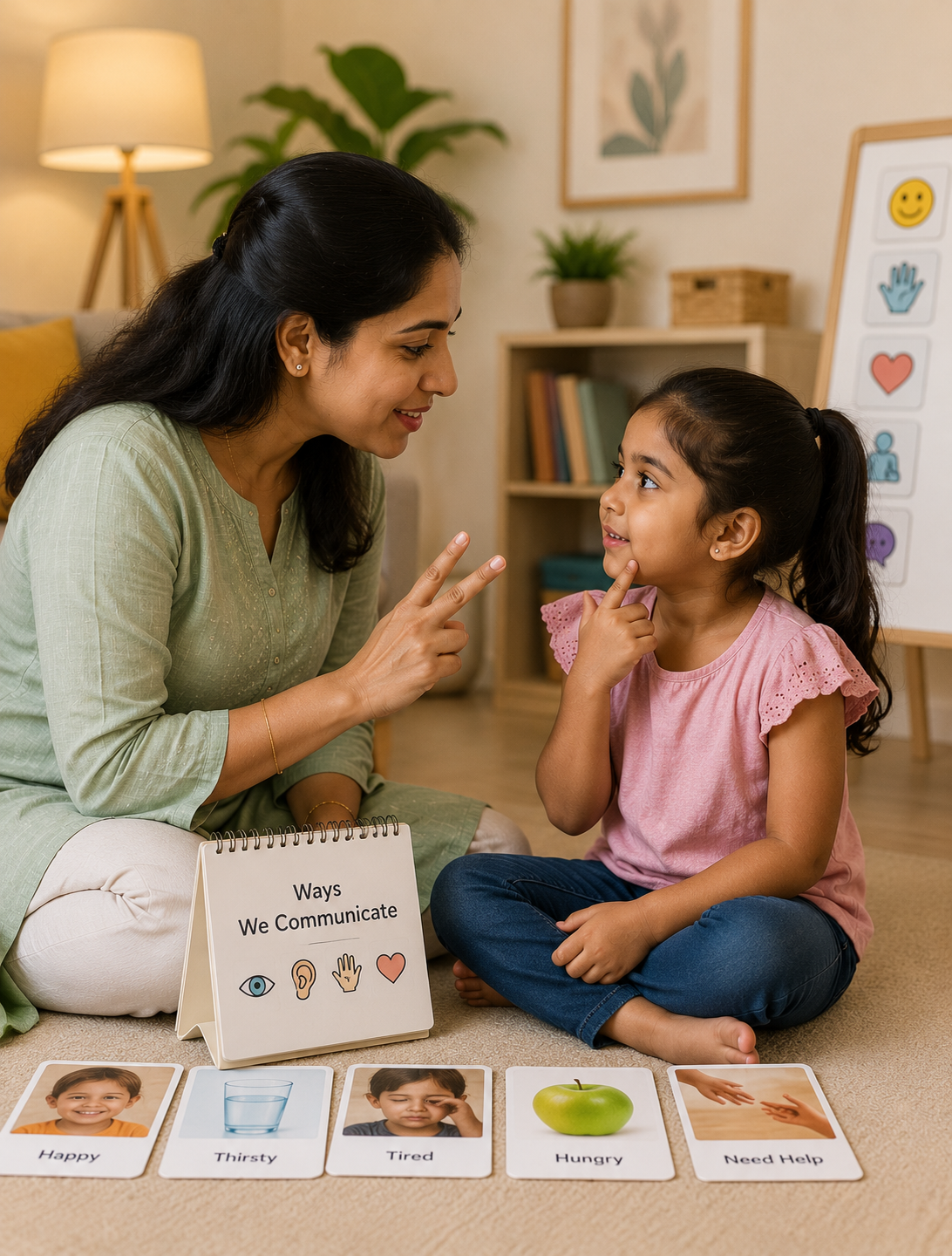
Child experiencing and exploring sensory activities
OBSERVE • UNDERSTAND • SUPPORT Notice what environments help the child feel comfortable.

SENSORY REGULATION

Helping Children Reach a Comfortable State for Participation

Sensory regulation relates to managing sensory information while maintaining an appropriate level of alertness for an activity.

01

Listen

Process relevant information more comfortably.

02

Communicate

Express needs and participate in interaction.

03

Concentrate

Stay engaged with an activity more effectively.

04

Participate

Become more available for learning and play.

05

Manage Emotions

Respond more comfortably when environments feel demanding.

06

Transition

Move between activities with greater readiness.
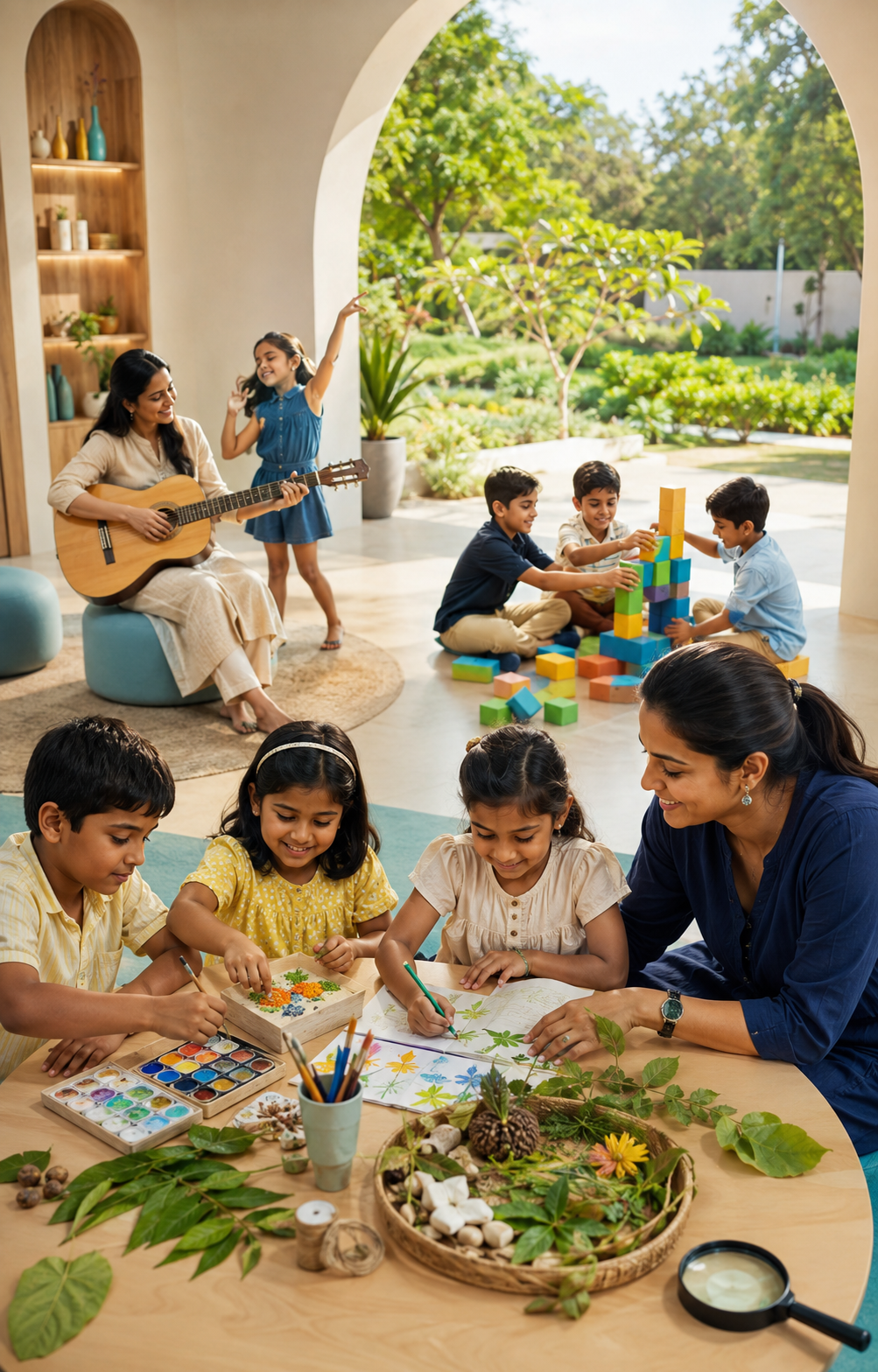
Support may involve identifying what situations create difficulty and what strategies help the child become more comfortable and ready to participate.
Child developing fine motor and hand coordination skills

FINE MOTOR DEVELOPMENT

Building Skills for Everyday Hand Activities

Fine motor skills involve the coordinated use of the hands and fingers.

Hold a Pencil Draw Write Colour Cut With Scissors Turn Pages Build With Blocks Fasten Buttons Open Containers Use Utensils Tie Shoelaces Manipulate Small Objects
STRUCTURED PRACTICE CAN HELP DEVELOP Hand control, finger coordination and confidence.

HANDWRITING & PENCIL SKILLS

Writing Requires More Than Knowing Letters and Words

POSTURE + SHOULDER STABILITY + HAND CONTROL + PENCIL GRIP + VISUAL ATTENTION + MOTOR PLANNING
Uncomfortable pencil grip Excessive pencil pressure Very light writing Difficulty forming letters Uneven spacing Difficulty writing on a line Slow written work Hand fatigue Avoidance of writing
Support can focus on the underlying skills that make writing more manageable rather than simply asking the child to write more.

GROSS MOTOR SKILLS

Supporting Movement, Balance and Coordination

Gross motor skills involve larger movements of the body and contribute to comfortable participation in play, school and everyday movement.

Walking Running Jumping Climbing Sitting Upright Throwing & Catching Playground Equipment Physical Games
Activities can help children develop greater balance, coordination, body awareness and confidence in movement.
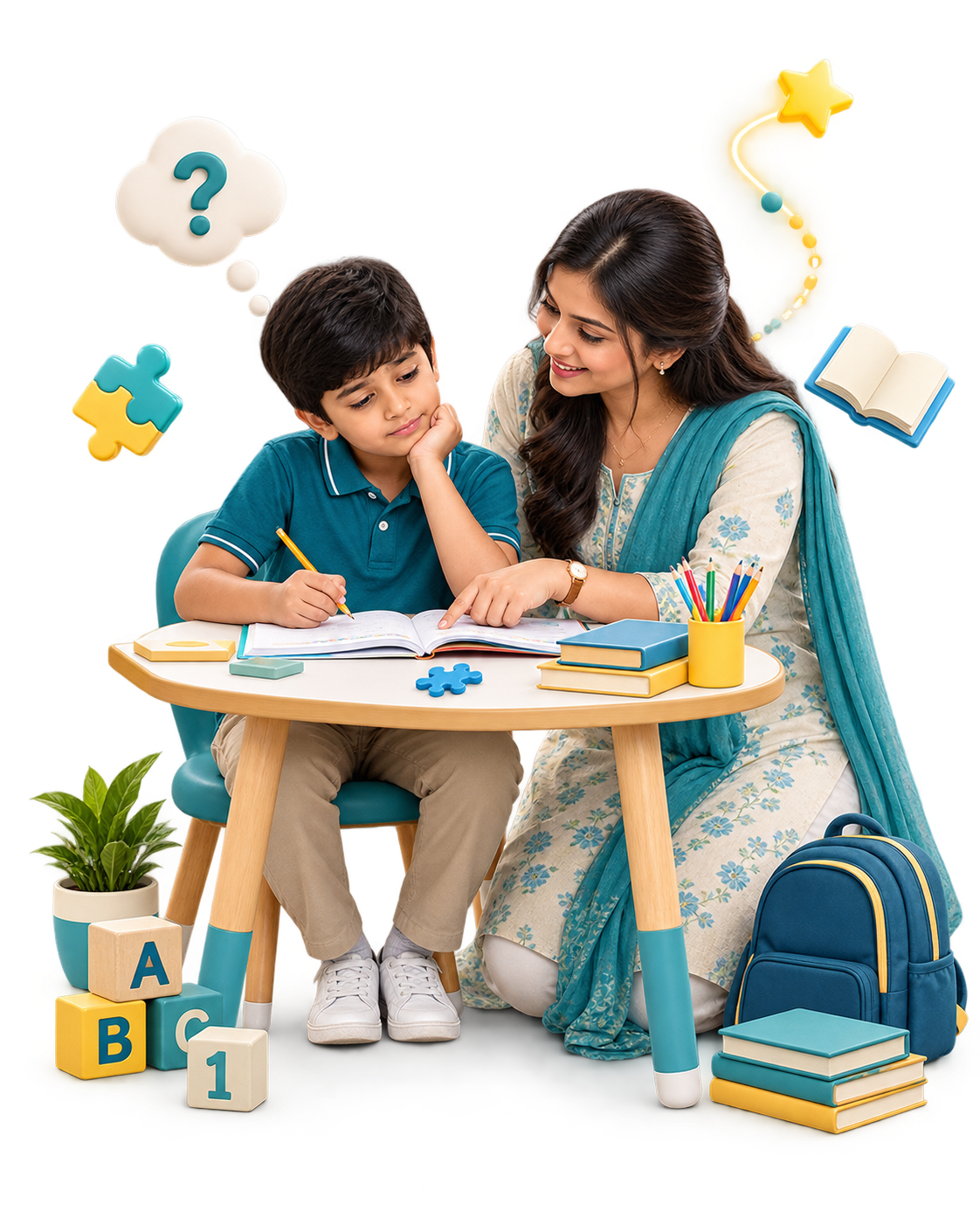
Child developing gross motor balance and coordination

BILATERAL COORDINATION

Helping Both Sides of the Body Work Together

Many everyday activities require coordinated use of both sides of the body.
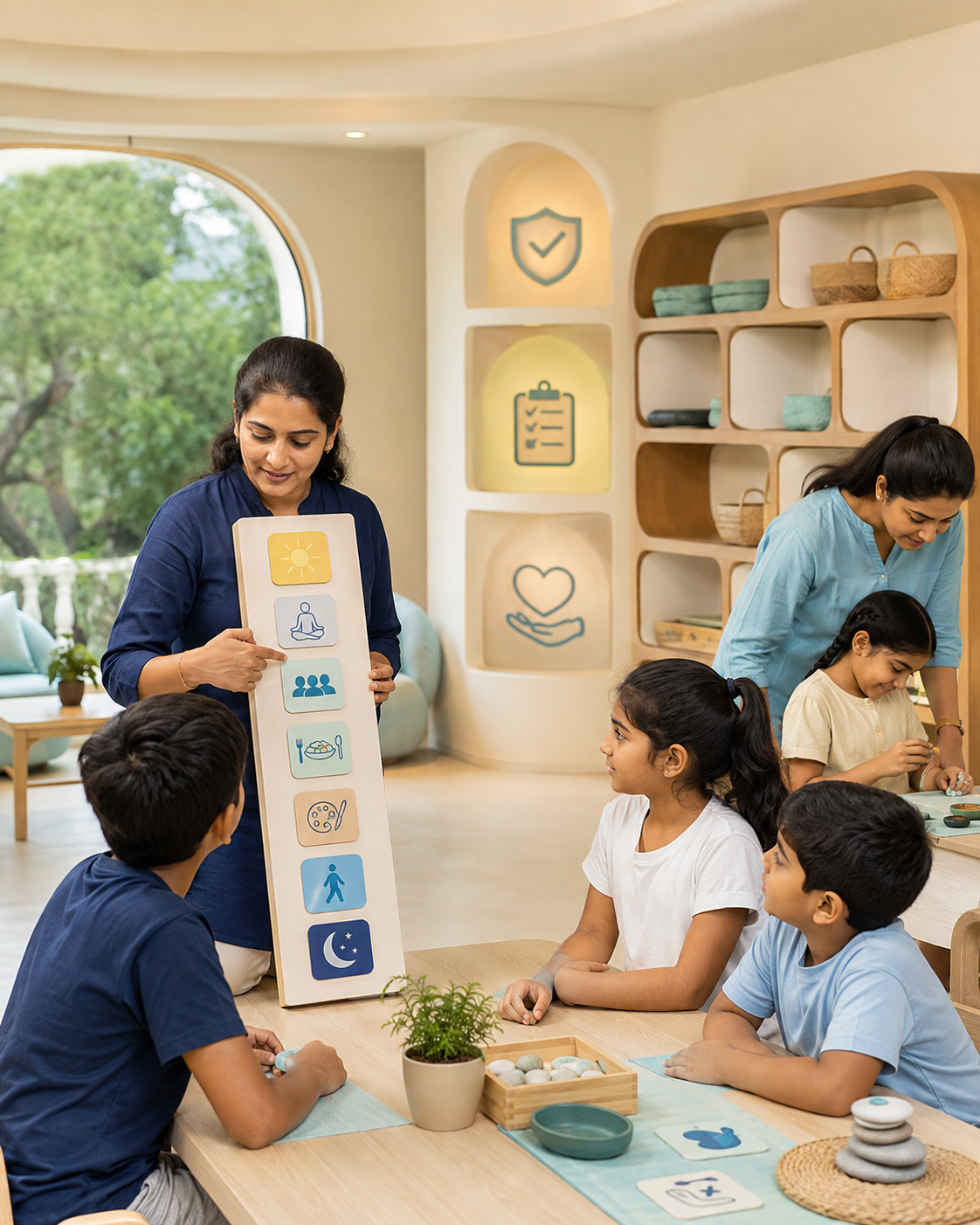
01 Holding paper while cutting
02 Opening a container
03 Catching a ball
04 Buttoning clothes
05 Using a ruler while drawing
06 Riding a bicycle
07 Tying shoelaces
Child practising movement and motor planning activities
PLAN • ORGANISE • MOVE Break unfamiliar movements into achievable steps.

MOTOR PLANNING

Helping Children Plan and Complete Movements

Motor planning is the ability to understand, organise and carry out a movement that may be unfamiliar.

Navigate an obstacle course Climb playground equipment Copy an action Complete a craft Dress independently Learn a new physical game
Breaking movements into smaller steps and providing demonstrations can make new activities easier to learn.

VISUAL-MOTOR COORDINATION

Connecting What Children See With How Their Body Moves

Visual-motor skills help coordinate visual information with the movements of the hands and body.

01

Handwriting

02

Drawing

03

Copying From a Board

04

Completing Puzzles

05

Building With Blocks

06

Catching a Ball

07

Cutting Along a Line

08

Matching & Sorting

SUPPORTING EVERYDAY INDEPENDENCE

Building Skills Through Daily Routines

One of the most meaningful goals of occupational support is helping children participate more independently in everyday life.

01

Dressing

Clothes, buttons, zips and footwear.

02

Eating

Utensils, containers and comfortable mealtime participation.

03

Personal Hygiene

Brushing teeth, washing hands and grooming.

04

School Organisation

Packing bags, materials and workspace organisation.

05

Home Responsibilities

Putting away toys and completing simple household tasks.

Child building everyday independence through daily routines
SHOW HELP PRACTISE TOGETHER REDUCE HELP INDEPENDENT ATTEMPT

SENSORY STRATEGIES AT HOME

Begin by Observing Patterns

There is no single sensory strategy that is appropriate for every child.

? When does my child become uncomfortable?
? Which sounds, textures or movements seem difficult?
? Does my child actively seek movement or touch?
? What helps my child become calmer or more organised?
Creating a quieter space Preparing before busy environments Providing predictable routines Allowing movement breaks Introducing textures gradually Using visual schedules Reducing unnecessary distractions Giving additional transition time
Strategies should be selected according to the child's individual responses rather than applied universally.

MOVEMENT CAN SUPPORT PARTICIPATION

Movement Can Help Some Children Return Ready to Learn

Some children find it easier to return to learning after appropriate movement rather than being expected to sit continuously.

LEARNING ACTIVITY MOVEMENT BREAK LEARNING ACTIVITY
Movement opportunities may include age-appropriate walking, stretching or structured physical play.
Understanding how sensory needs may influence children's behaviour
LOOK BEYOND THE REACTION The environment may be contributing to the child's response.

WHEN SENSORY NEEDS AFFECT BEHAVIOUR

Sometimes a Reaction May Be Related to the Environment

A child covering their ears and wanting to leave a busy room may not simply be refusing to participate. The environment may feel too loud or overwhelming.

Uncomfortable textures Difficult motor demands Fear of movement Too much sensory information Uncertainty about what will happen
Looking beyond the immediate reaction can help adults understand what support may be useful.

HOW PARENTS CAN ENCOURAGE MOTOR SKILLS AT HOME

Everyday Play Can Develop Coordination

Familiar activities can provide valuable opportunities to strengthen fine motor, gross motor and planning skills.

Building With Blocks Drawing & Colouring Puzzles Play Dough Threading & Beads Folding Paper Simple Crafts Ball Games Climbing Playground Activities Sorting Household Objects Simple Cooking Activities Dressing Practice
Activities should remain safe, age-appropriate and enjoyable rather than becoming another source of pressure.

WHAT PARENTS CAN NOTICE & RECORD

Simple Observations Can Help Identify Patterns

01

Sensory Experiences

Which sounds, textures, environments or movements are avoided or sought?

02

Fine Motor Skills

How are pencils, scissors, buttons and small objects managed?

03

Gross Motor Skills

How comfortable are running, jumping, climbing and ball activities?

04

Everyday Routines

Which dressing, eating, hygiene or organisation tasks need help?

05

Regulation

What situations commonly lead to discomfort or overwhelm?

06

Helpful Strategies

What helps your child become comfortable and participate again?

PERSONALISED OCCUPATIONAL & SENSORY SUPPORT AT ASTRAKIDS

Understand the Child's Individual Development Profile

Every child has a different combination of strengths, sensory preferences, motor abilities and everyday needs.

01

Sensory Regulation

Supporting comfortable participation in everyday environments.

02

Fine Motor Development

Building hand and finger coordination.

03

Gross Motor Development

Strengthening balance and whole-body coordination.

04

Visual-Motor Skills

Coordinating visual information with movement.

05

Motor Planning

Organising and completing unfamiliar movements.

06

Classroom Participation

Developing skills that support learning activities.

07

Daily Living Skills

Dressing, eating, hygiene and organisation.

08

Independence

Reducing reliance on adult assistance where appropriate.

WHEN TO CONSIDER ADDITIONAL SUPPORT

When Difficulties Regularly Affect Everyday Participation

Parents may consider seeking appropriate professional guidance when sensory or motor difficulties are persistent and regularly interfere with everyday activities.

Classroom Participation Writing & Schoolwork Play Movement Dressing Eating Personal Care Social Participation Everyday Environments Daily Independence
Important: These observations alone do not indicate a specific diagnosis. A qualified professional can help determine whether further assessment or specialised support may be appropriate.

SUPPORT YOUR CHILD'S EVERYDAY DEVELOPMENT

Helping Children Participate With Greater Comfort and Confidence

The goal is not to make every child respond to their environment in exactly the same way.

The goal is to understand how the child experiences everyday activities and help them develop the skills and strategies needed to participate more comfortably and independently.

?
CONCERNED ABOUT SENSORY REGULATION, COORDINATION OR EVERYDAY SKILLS? Speak with the AstraKids team to explore support suited to your child's individual needs.
Professional Disclaimer: AstraKids provides personalised educational and developmental support according to individual requirements. Specific outcomes and development timelines may vary for every child. Information on this website should not replace medical diagnosis, clinical treatment or professional healthcare advice.
AstraKids
AstraKids Learning & Child Development Online
AstraKids

Hi 👋 Welcome to AstraKids.

How can we support you today?

STEP 1

Select a Service

Please choose the support you are looking for.

SELECTED SERVICE
AstraKids

Great. Please tell us a little about your requirement.

STEP 2

Tell Us Your Requirement

A short description will help our team guide you better.

Please briefly explain your concern. 0 / 600
AstraKids

Thank you. Please share your contact details and our team will get back to you.

STEP 3

Your Contact Details

Just your name and WhatsApp number.

+91
READY TO SEND

Your enquiry is ready.

Tap the button below to send these details directly to AstraKids on WhatsApp.

Service
Name
WhatsApp
Requirement

🔒 Your information is used only for responding to your enquiry.