Recognise Emotions
Identify feelings such as happy, sad, worried, angry, excited or frustrated.
Child Development & Learning Centre Bengaluru
✦ • Kamanahalli, Bengaluru
BEHAVIOURAL & EMOTIONAL SUPPORT
Children experience many emotions throughout the day.
Happiness, excitement, disappointment, frustration, worry and anger are all part of everyday development. Learning how to recognise, communicate and manage these emotions is an important skill.
At AstraKids, Behavioural & Emotional Support focuses on understanding what may contribute to a child's reactions and developing practical skills for emotional awareness, coping, confidence and everyday participation.
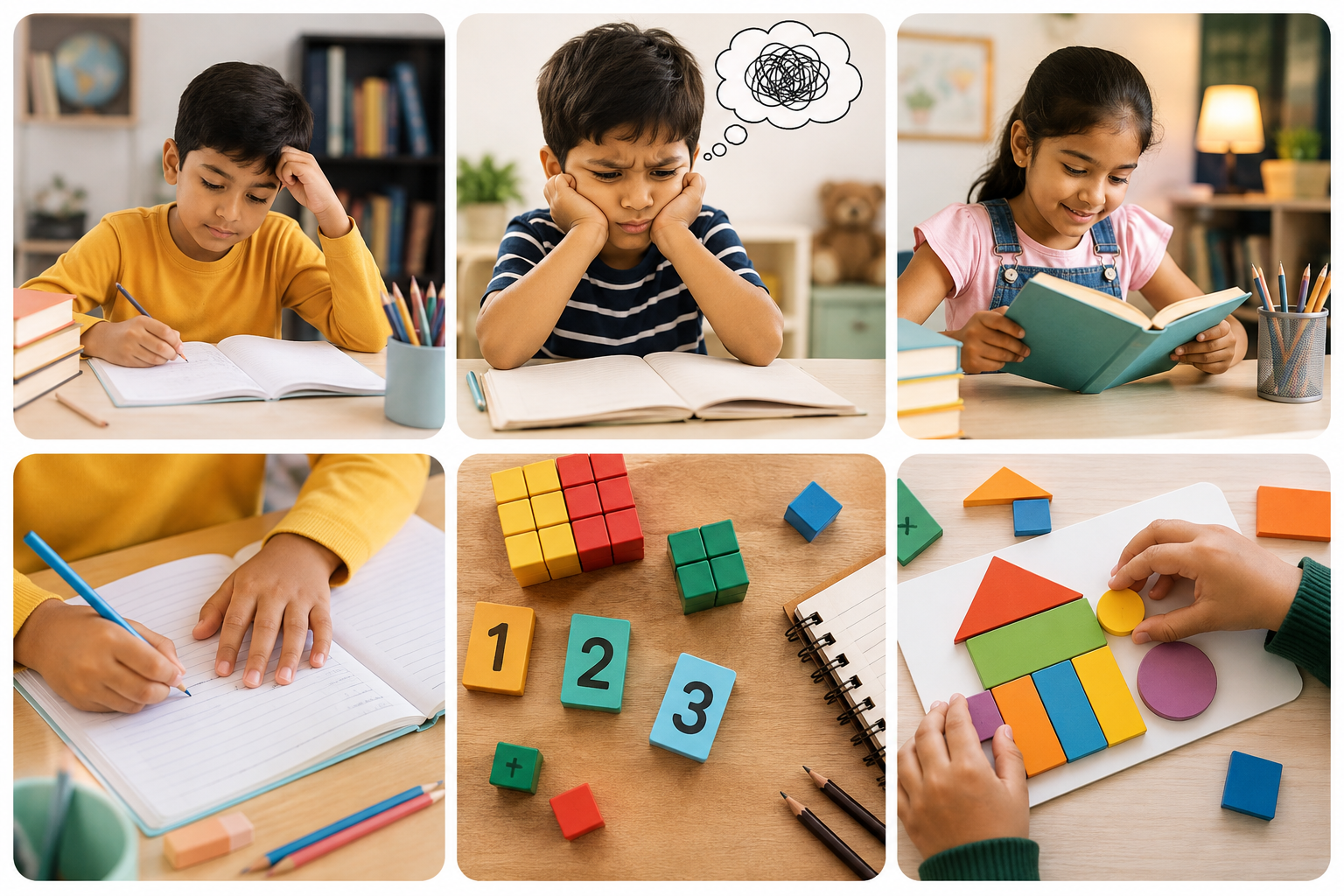
UNDERSTANDING BEHAVIOUR
What adults see as difficult behaviour may sometimes be a child's way of communicating something they cannot yet explain.
A child who refuses, cries, becomes angry, withdraws or avoids an activity may be trying to communicate:
Instead of focusing only on stopping the reaction, it can be useful to understand what happened before it and what the child may need.
UNDERSTANDING EMOTIONAL REGULATION
Emotional regulation develops over time through guidance, modelling and repeated experience.
Identify feelings such as happy, sad, worried, angry, excited or frustrated.
Notice situations that make certain emotions stronger.
Develop appropriate ways to tell others how they feel.
Learn practical ways to calm, pause or request support.
Gradually return to an activity after becoming upset.
LOOK BEYOND THE REACTION
When challenging behaviour occurs, observing what happened before, during and after the reaction can reveal useful patterns.
Was there a difficult task, unexpected change, loud environment, social situation or unclear instruction?
Observe the reaction without immediately labelling it as good or bad.
Consider whether they need help, reassurance, clarification, extra time or a break.
Notice which strategies helped the child become calmer and participate again.
Over time, these observations may reveal useful patterns that help adults respond more effectively.
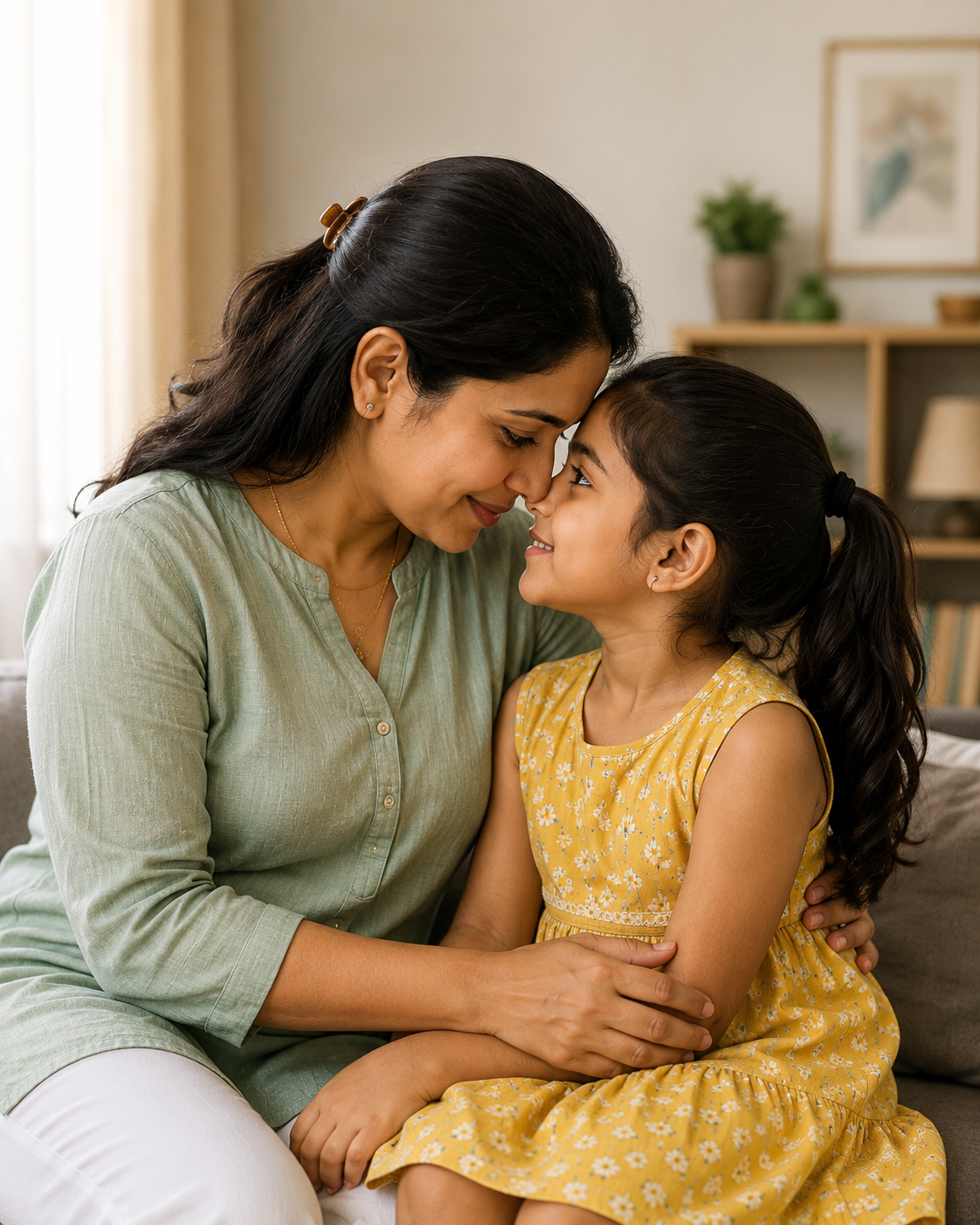
BUILDING EMOTIONAL AWARENESS
Before children can manage emotions effectively, they first need opportunities to recognise and understand them.
Parents can connect words with feelings during natural everyday situations.
“You look disappointed because the game finished.”
“You seem excited about going to the park.”
“That was difficult. You look frustrated.”
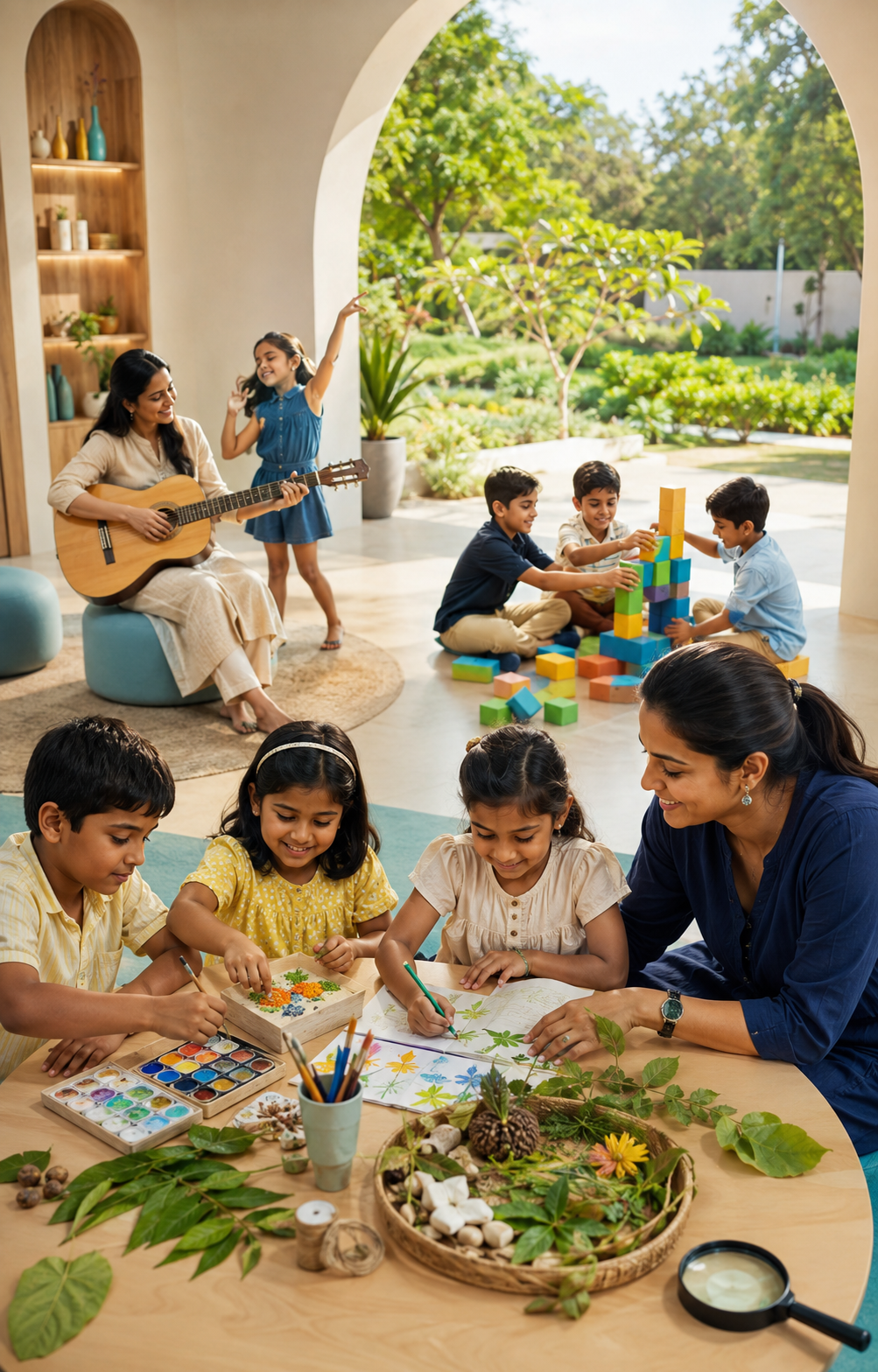
DEVELOPING HEALTHY COPING SKILLS
Different strategies work for different children. Depending on the child's needs, coping strategies may include:
MANAGING CHANGES & TRANSITIONS
Transitions may become easier when children know what is happening now and what will happen next.
“Five more minutes, then we are leaving.”
Give the child time to prepare for a change.
Show the sequence of activities visually.
“First homework, then play.”
Make expectations easier to understand.
“Books or pencils first?”
Offer appropriate control within a clear routine.
BUILDING CONFIDENCE THROUGH POSITIVE EXPERIENCES
Children who repeatedly experience difficulty may begin avoiding challenging situations because they expect to fail.
Breaking activities into smaller steps can help children experience meaningful success and develop greater willingness to participate.
Praise should focus on effort, strategy and progress, not only the final result.
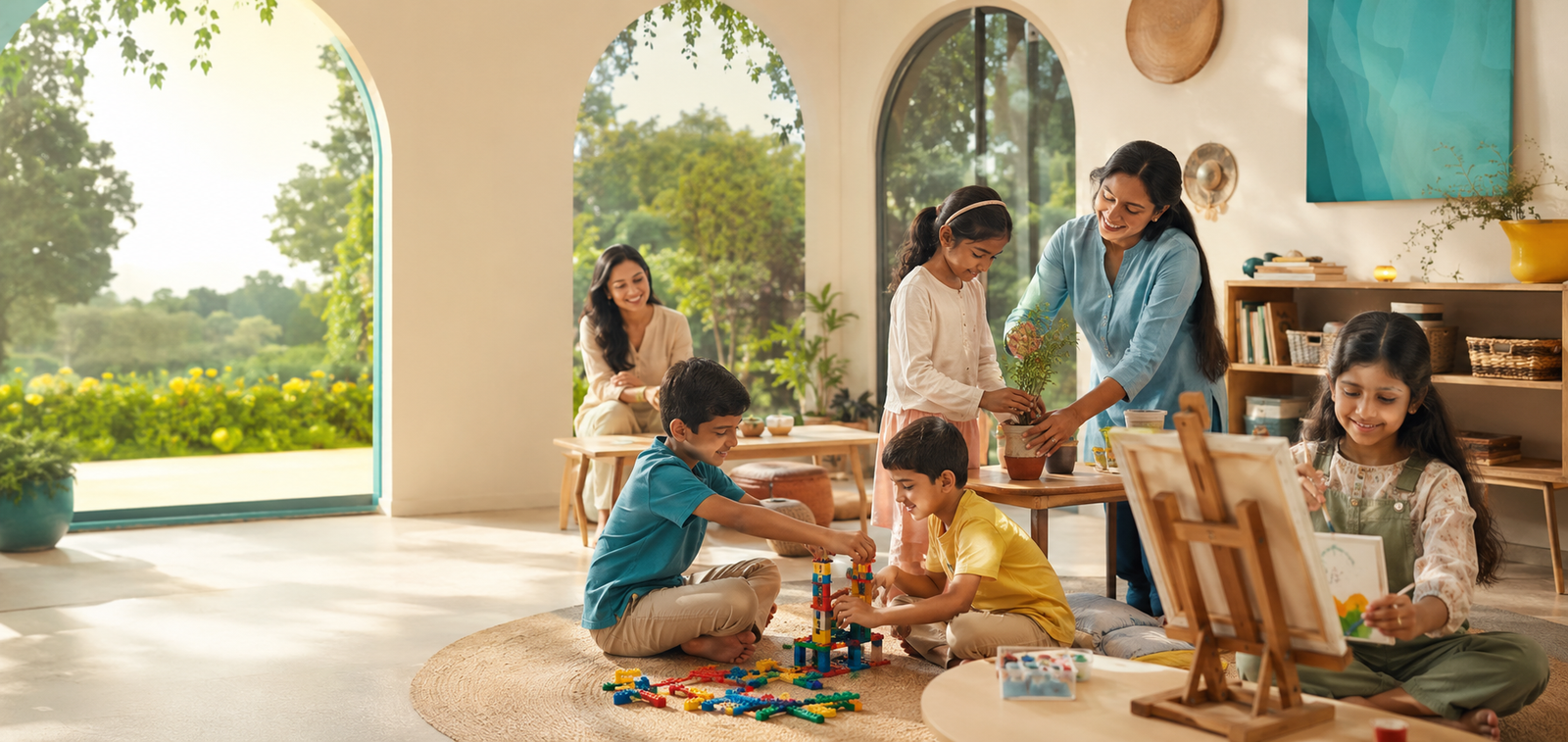
SUPPORTING POSITIVE BEHAVIOUR
Positive behaviour develops more effectively when children understand what is expected and receive consistent support.
Keep directions clear and specific.
Create consistency across everyday activities.
Prepare children before an activity begins.
Provide appropriate and manageable options.
Notice what the child is doing successfully.
Show children how calm responses can look.
Create opportunities to try tasks independently.
Reduce unnecessary demands at one time.
Keep important expectations consistent.
Help children recover after difficult moments.
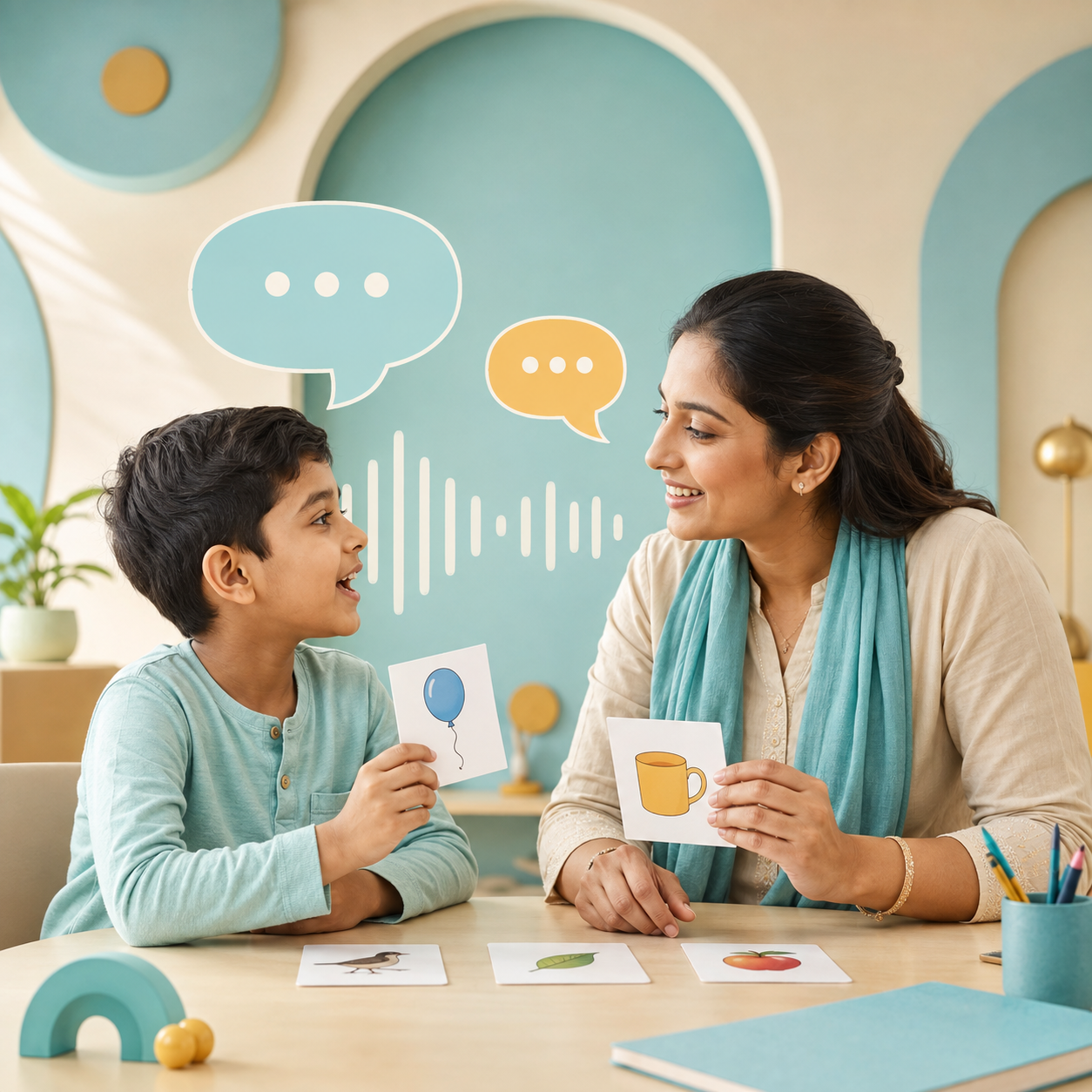
HOW PARENTS CAN SUPPORT EMOTIONAL DEVELOPMENT AT HOME
Children learn emotional regulation gradually through practice, modelling and supportive relationships.
WHAT PARENTS CAN NOTICE & RECORD
Simple observations can help adults understand what regularly contributes to challenging moments and what helps the child recover.
What was happening?
What happened immediately before?
What did your child do?
What might they have been expressing?
What did you try?
What helped them recover?
PERSONALISED BEHAVIOURAL & EMOTIONAL SUPPORT AT ASTRAKIDS
Every child's emotional and behavioural needs are different. AstraKids focuses on understanding the child's strengths, triggers, communication patterns and everyday challenges before developing appropriate strategies.
Recognising and naming feelings.
Developing ways to manage strong emotions.
Learning constructive responses to difficult situations.
Expressing needs, frustration and feelings effectively.
Becoming gradually more comfortable with change.
Building willingness to participate and try.
Developing skills for successful interaction with others.
WHEN TO CONSIDER ADDITIONAL SUPPORT
Consider discussing concerns with an appropriate professional when emotional or behavioural difficulties are persistent and regularly affect your child's daily life.
HELPING CHILDREN UNDERSTAND THEIR FEELINGS
They need opportunities to understand what they are feeling, what they need and what they can do next.
With patient guidance and consistent strategies, children can gradually develop stronger coping skills, emotional awareness and confidence.

Please choose the support you are looking for.
A short description will help our team guide you better.
Just your name and WhatsApp number.
Tap the button below to send these details directly to AstraKids on WhatsApp.
🔒 Your information is used only for responding to your enquiry.