Learning & Academic Support
Understand reading, writing, numeracy, homework and concept learning in a more manageable way.
Child Development & Learning Centre Bengaluru
✦ • Kamanahalli, Bengaluru
PARENT RESOURCES
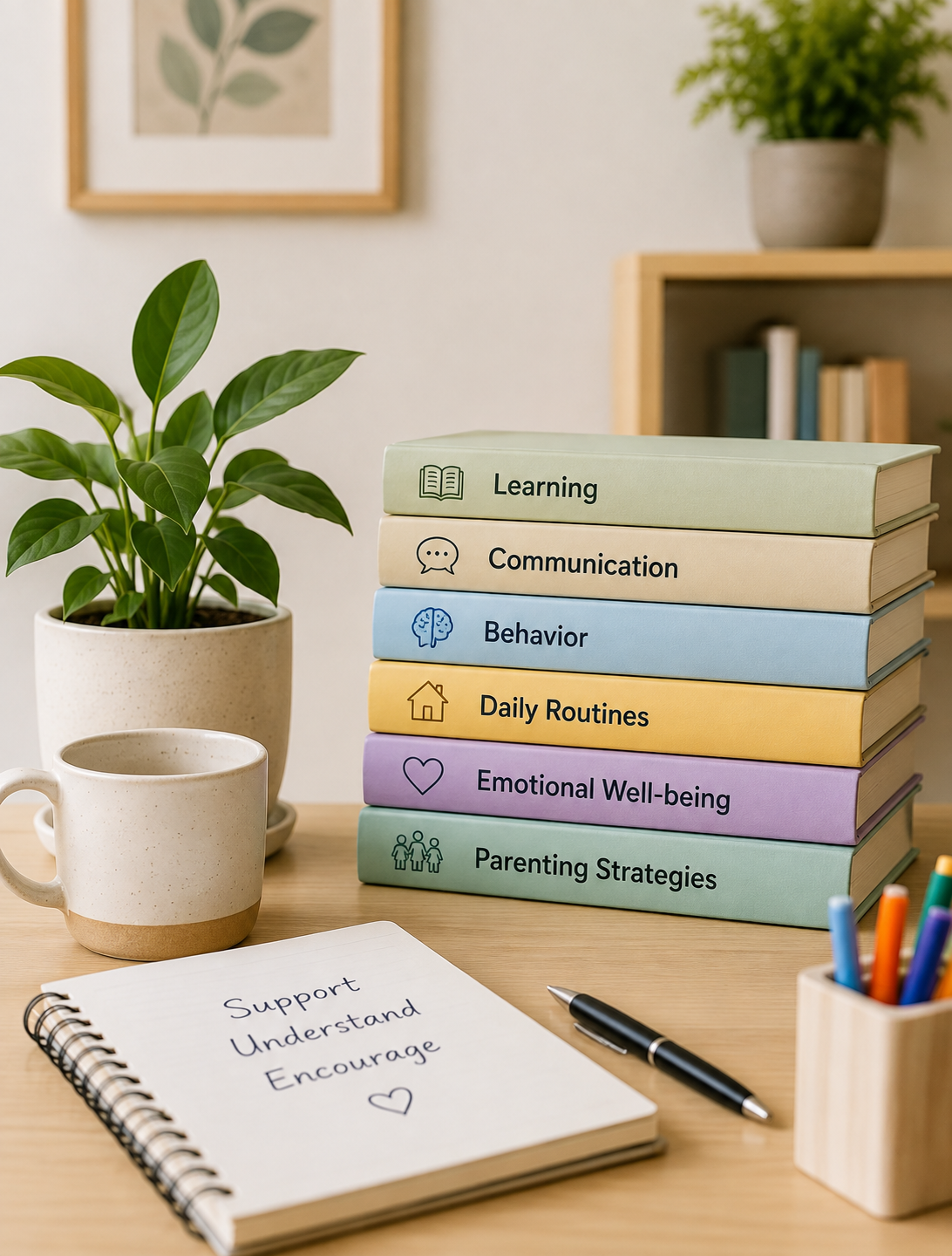
Every child experiences learning, communication, emotions and everyday situations differently.
Small observations at home can provide valuable insight into how your child learns, communicates, manages routines and responds to the world around them.

PARENTS SEE WHAT OTHERS MAY MISS
Parents often notice things that may not always be visible during a short classroom interaction or professional observation.
You may notice that your child learns more easily with pictures, needs instructions repeated, becomes uncomfortable in noisy places, finds it difficult to explain what they need or simply needs more time to complete everyday activities.
These observations matter. Understanding comes before expectations. Support becomes more meaningful when we understand what the child may be trying to communicate.
At AstraKids, parent insight works together with observation and personalised learning strategies so support remains relevant to everyday life.
EXPLORE PARENT RESOURCE TOPICS
Children develop across many connected areas. Explore practical information that can help you better understand challenges and encourage confidence, participation and independence.
Understand reading, writing, numeracy, homework and concept learning in a more manageable way.
Reduce distractions, simplify instructions and encourage achievable periods of participation.
Explore listening, understanding, gestures, expression and communicating everyday needs.
Look beyond immediate reactions and consider what a behaviour may be communicating.
Understand how sound, touch, movement, light and busy environments may affect participation.
Encourage sharing, turn-taking, conversations, group participation and relationships.
Support participation in dressing, eating, organising belongings and everyday routines.
Learn what to notice and record so patterns can be discussed more clearly.
MAKING LEARNING FEEL ACHIEVABLE
A child who finds an activity difficult does not necessarily lack the ability to learn it.
Sometimes the method, environment, pace or size of the task needs to change.
Progress does not always happen quickly or in a straight line. Consistent encouragement and achievable expectations can make a meaningful difference.
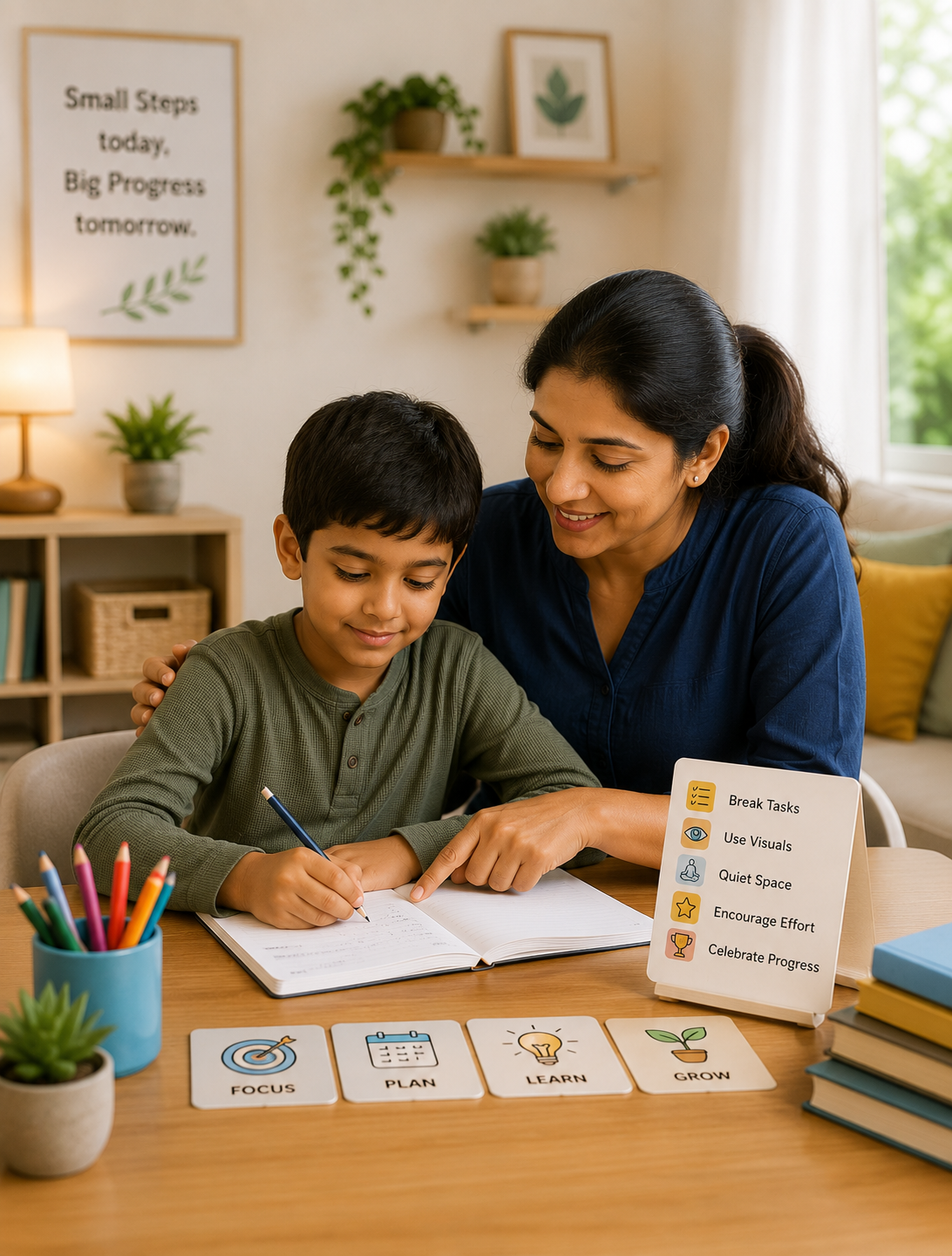 Learn at their pace
Celebrate progress
Learn at their pace
Celebrate progress
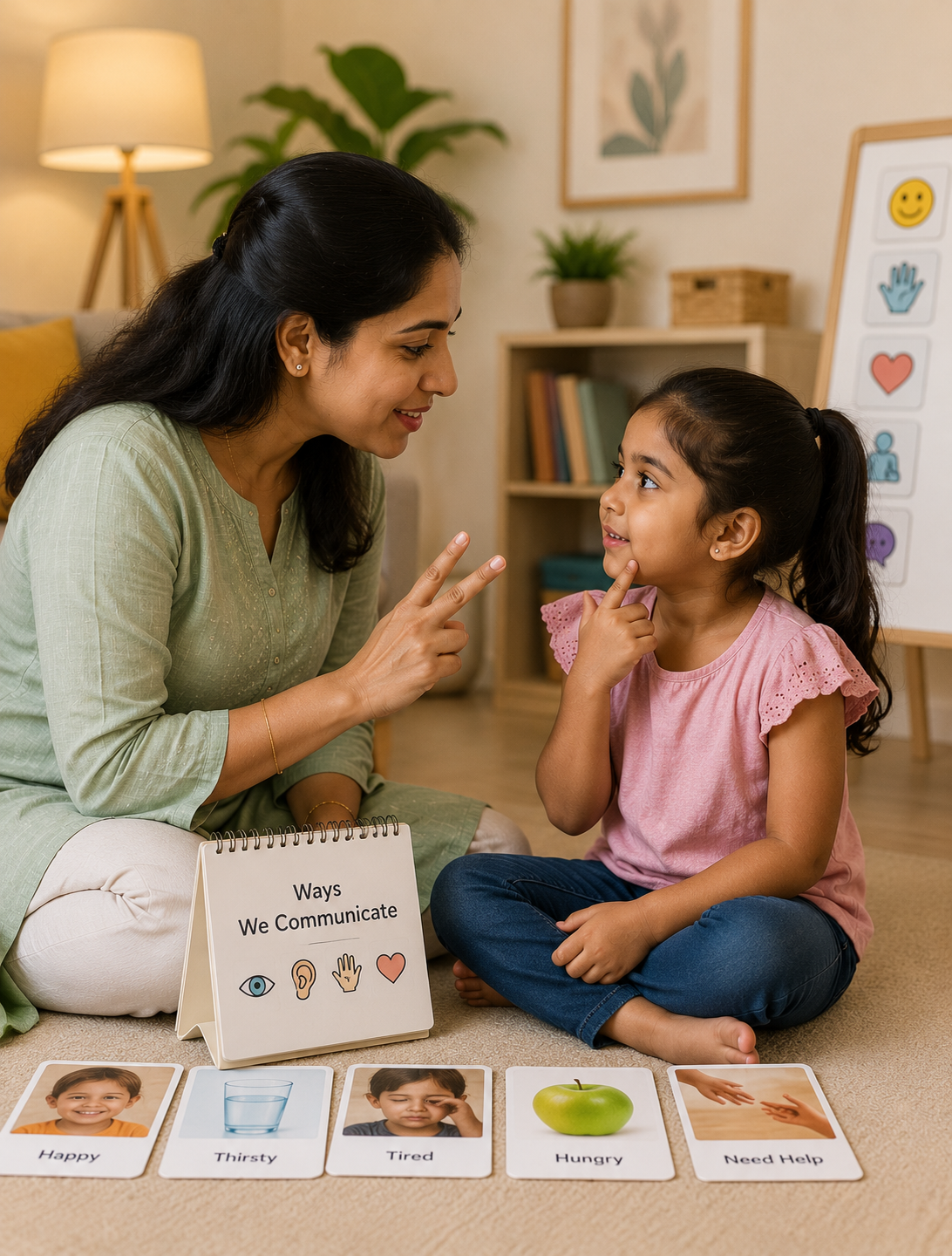
EVERY ATTEMPT TO COMMUNICATE MATTERS
Communication includes much more than pronunciation or vocabulary. Children communicate through words, expressions, gestures, choices, movements and responses.
Some children may know what they want but find it difficult to express themselves. Others may speak clearly but find longer instructions or conversations difficult.
Using short sentences, allowing enough response time, offering simple choices, using visual cues where helpful and recognising gestures or other communication attempts.
BEHAVIOUR CAN BE COMMUNICATION
A difficult reaction may sometimes be a child's way of communicating that something feels confusing, uncomfortable, demanding or overwhelming.
Was the activity difficult, unexpected, unclear or demanding?
Help, reassurance, communication support, movement or a break?
Patterns across similar situations may provide helpful clues.
Clear explanations, quieter spaces, visual support or extra time?
UNDERSTANDING SENSORY EXPERIENCES
A classroom, shopping centre, birthday party or even a busy home can feel very different from one child to another.
Parents can observe where discomfort occurs, what happened immediately before it and what helps their child become comfortable again.
The goal is not simply to remove every challenging experience. It is to understand the child's response and gradually support more comfortable participation.
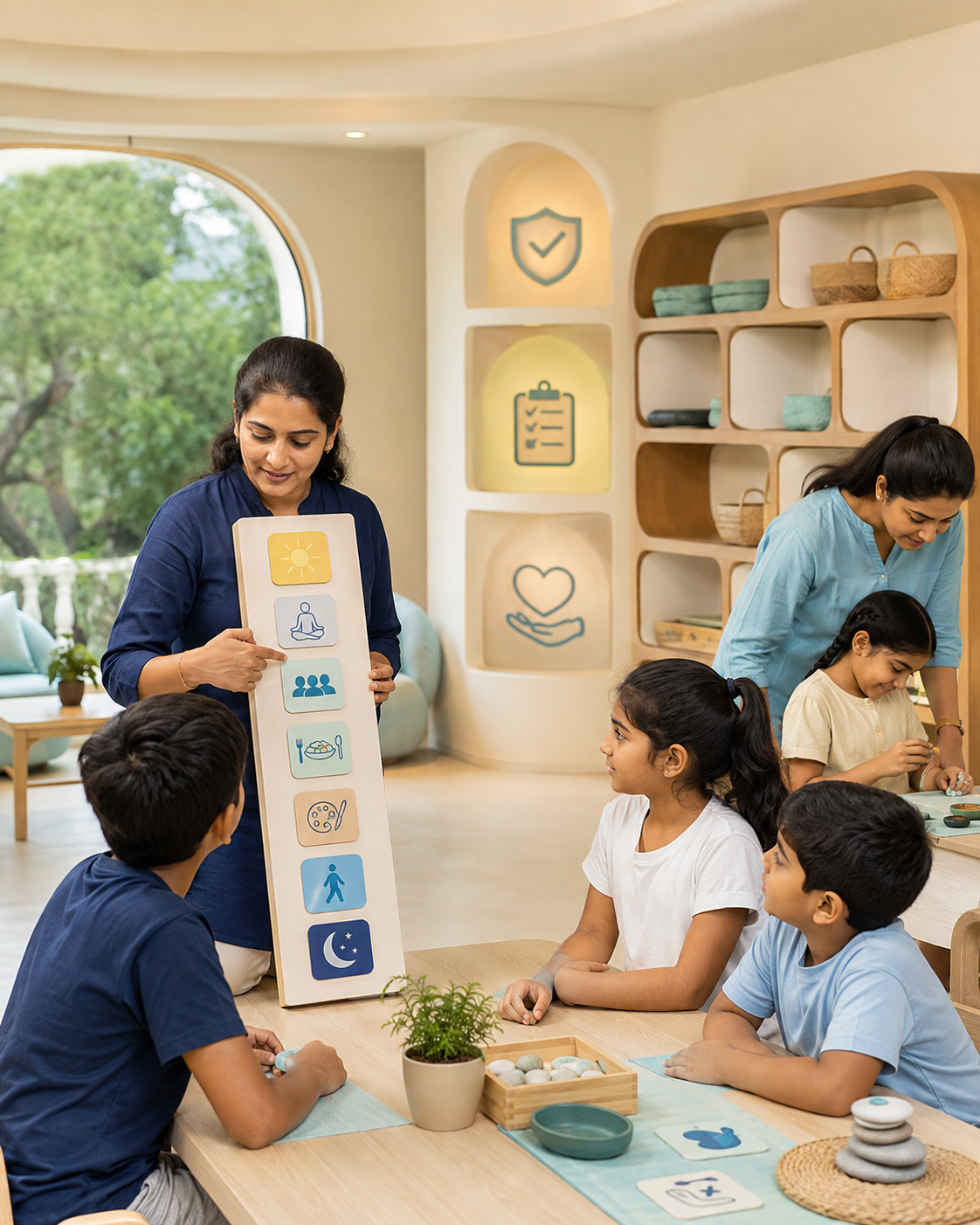
EVERYDAY ROUTINES BUILD SKILLS
Independence develops through repeated opportunities to participate in everyday life.

Choosing clothes, dressing, brushing teeth and packing the school bag.
Using utensils, carrying a plate, pouring water and helping clear the table.
Preparing materials, following a simple schedule and putting books away.
Sorting toys, organising belongings and completing suitable everyday responsibilities.
Changing clothes, preparing for the next day and following bedtime routines.
Encourage participation rather than expecting complete independence immediately.

SIMPLE OBSERVATIONS CAN REVEAL PATTERNS
You do not need complicated assessments to make useful observations. A simple notebook can help identify patterns over time.
What was happening?
What did your child do or communicate?
Was something confusing, uncomfortable or demanding?
Did you simplify, demonstrate or provide a break?
What made participation easier?
Is something becoming easier with practice?
WHEN ADDITIONAL GUIDANCE MAY HELP
Every child develops differently and occasional difficulty is a normal part of learning.
Additional support may be useful when challenges are persistent, appear across different environments or regularly interfere with learning, communication, relationships or everyday routines.
These signs do not automatically indicate a particular condition or diagnosis. They may simply suggest that your child's individual requirements deserve closer understanding.

HOW ASTRAKIDS PARTNERS WITH PARENTS
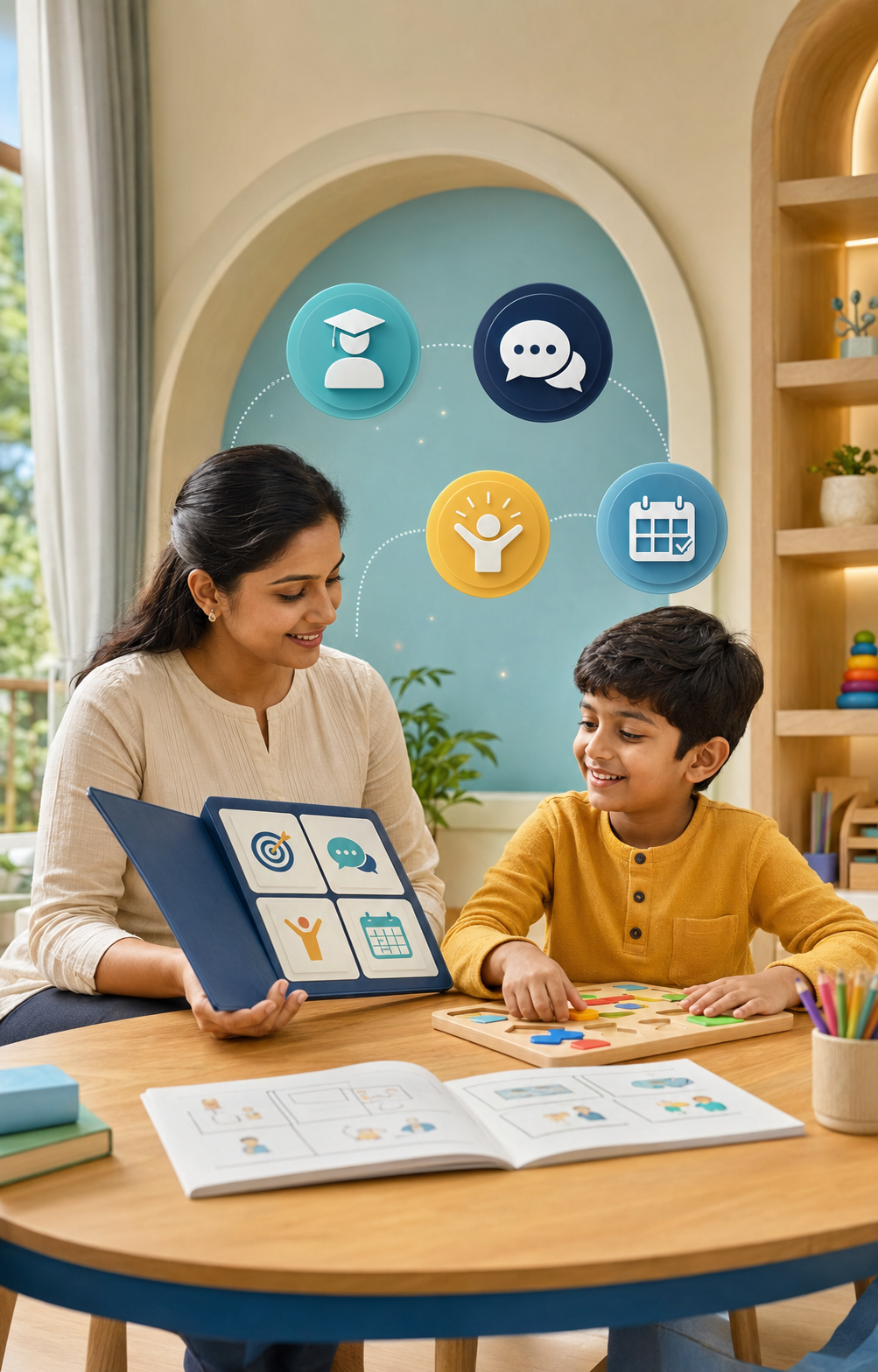
Support becomes more meaningful when families and educators work together with shared understanding and realistic goals.
Understand parent concerns, priorities and developmental history.
Understand participation, communication and response to activities.
Recognise existing abilities and positive response patterns.
Develop suitable, meaningful and achievable individual goals.
Use personalised learning and development strategies.
Observe progress and adapt approaches where appropriate.
Share useful observations and practical strategies for home.
EVERY CHILD DESERVES TO BE UNDERSTOOD
You do not need to have every answer before asking for support. Understanding your child's strengths, needs and everyday experiences can be the first step toward meaningful progress.

Please choose the support you are looking for.
A short description will help our team guide you better.
Just your name and WhatsApp number.
Tap the button below to send these details directly to AstraKids on WhatsApp.
🔒 Your information is used only for responding to your enquiry.