Sight
What we see.
Child Development & Learning Centre Bengaluru
✦ • Kamanahalli, Bengaluru
OCCUPATIONAL & SENSORY SUPPORT
Everyday activities require many different skills to work together.
Children need to process sensory information, coordinate their movements, use their hands effectively, maintain an appropriate level of alertness and organise their bodies to complete everyday tasks.
At AstraKids, Occupational & Sensory Support focuses on helping children develop practical skills for regulation, coordination, participation and greater independence.
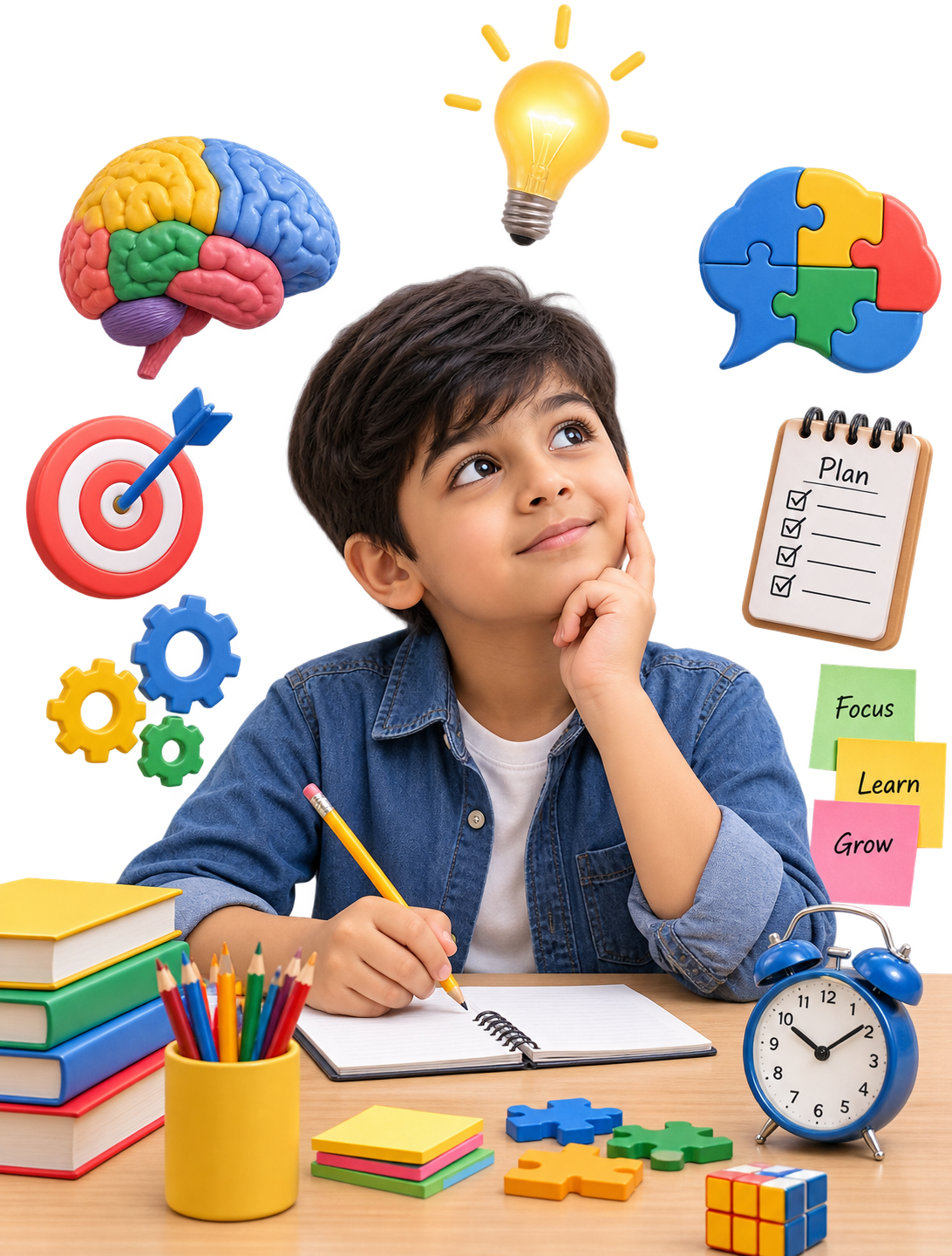
UNDERSTANDING OCCUPATIONAL & SENSORY DEVELOPMENT
Occupational development in childhood relates to the activities children need and want to participate in every day.
When sensory, motor or coordination difficulties make these activities challenging, children may need additional strategies and structured opportunities to practise.
UNDERSTANDING SENSORY PROCESSING
Throughout the day, the brain receives and organises information through many different senses.
What we see.
What we hear.
What we feel against our skin.
What we taste.
What we smell.
How our body moves through space.
Where our body is and how much force we use.
EVERYDAY ENVIRONMENTS MAY FEEL DIFFERENT
Parents may notice sensitivity to particular sounds, textures, environments or types of movement.
These responses should be understood in the context of the individual child rather than simply labelled as difficult behaviour.
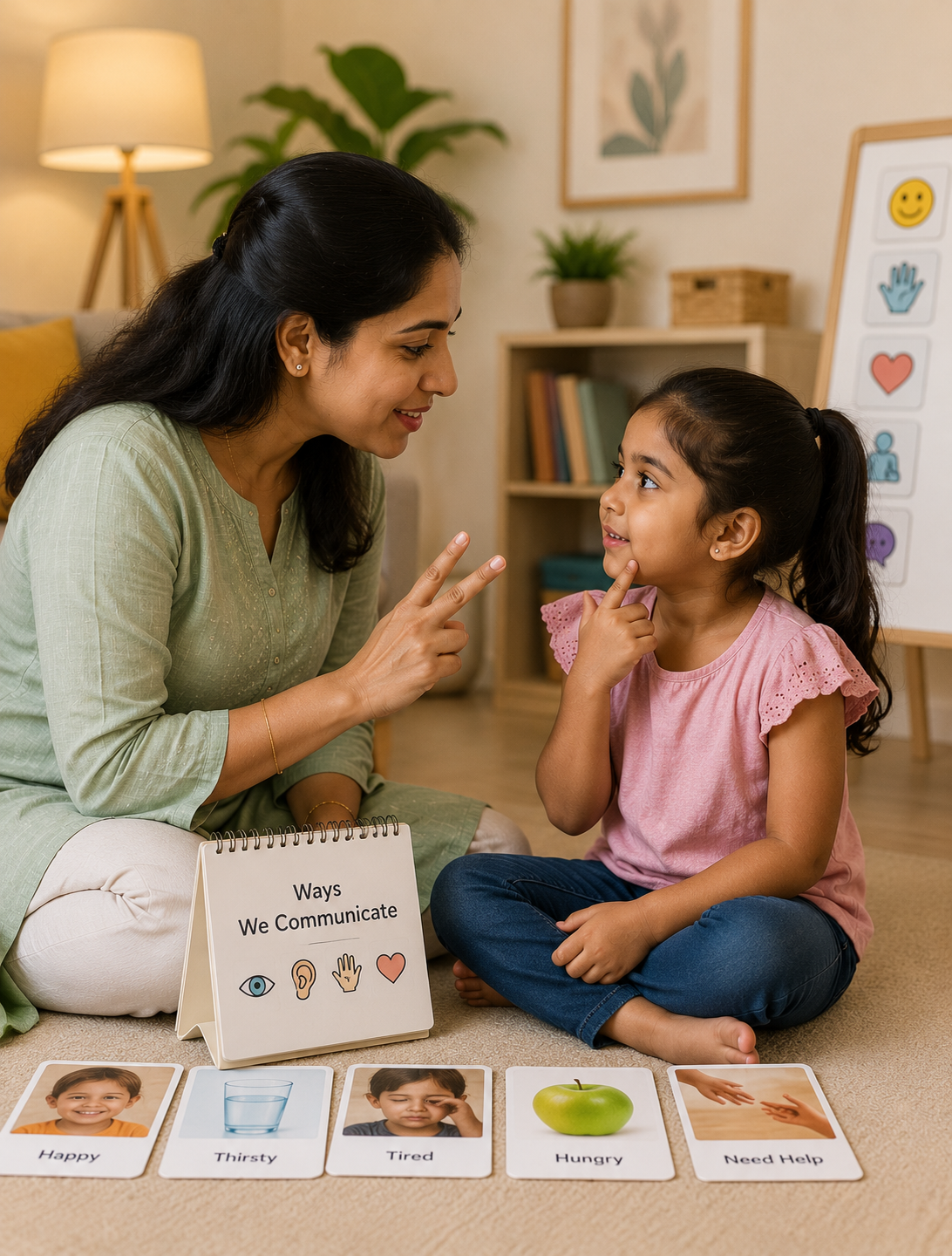
SENSORY REGULATION
Sensory regulation relates to managing sensory information while maintaining an appropriate level of alertness for an activity.
Process relevant information more comfortably.
Express needs and participate in interaction.
Stay engaged with an activity more effectively.
Become more available for learning and play.
Respond more comfortably when environments feel demanding.
Move between activities with greater readiness.
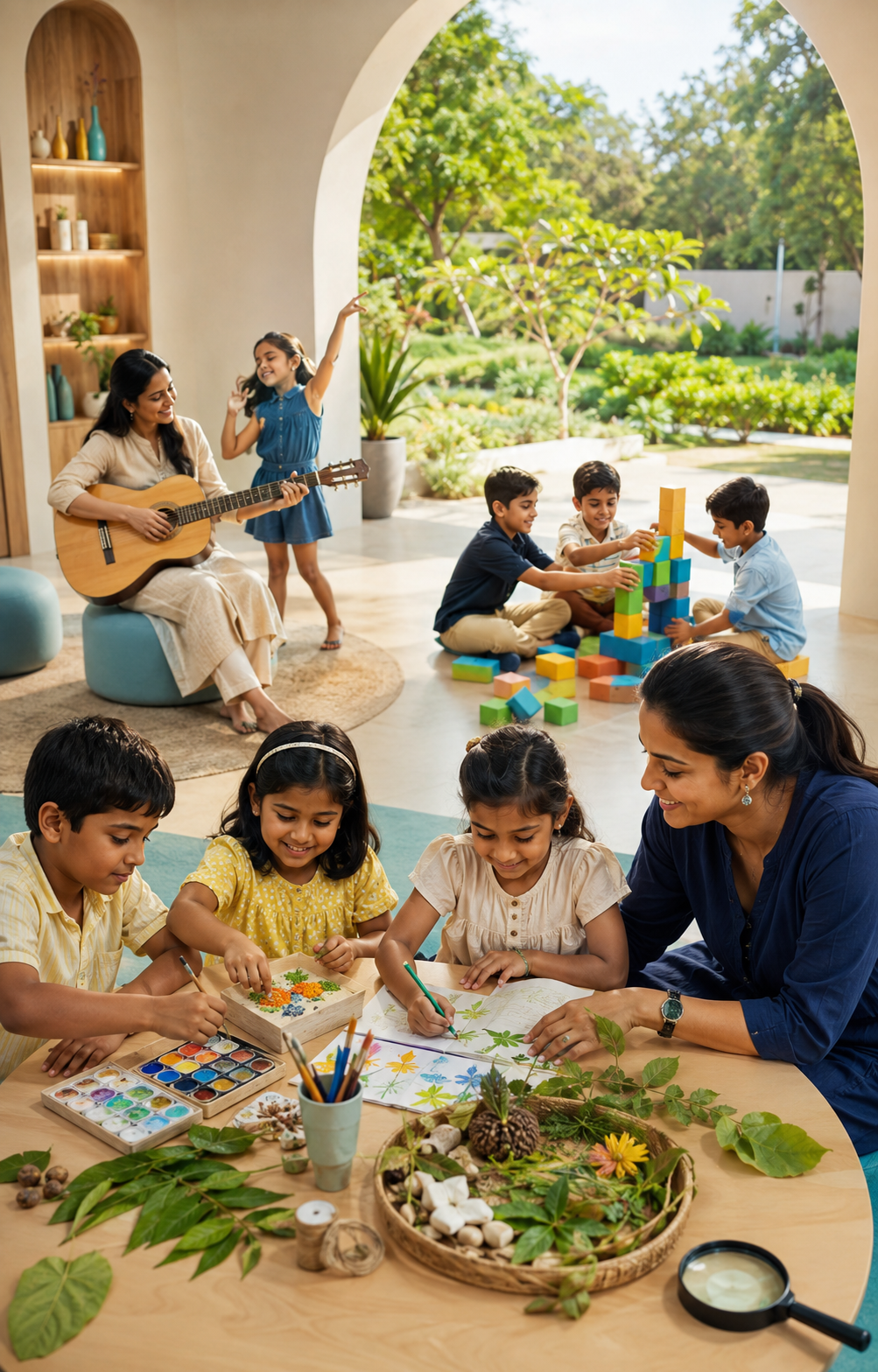
FINE MOTOR DEVELOPMENT
Fine motor skills involve the coordinated use of the hands and fingers.
HANDWRITING & PENCIL SKILLS
GROSS MOTOR SKILLS
Gross motor skills involve larger movements of the body and contribute to comfortable participation in play, school and everyday movement.
Activities can help children develop greater balance, coordination, body awareness and confidence in movement.
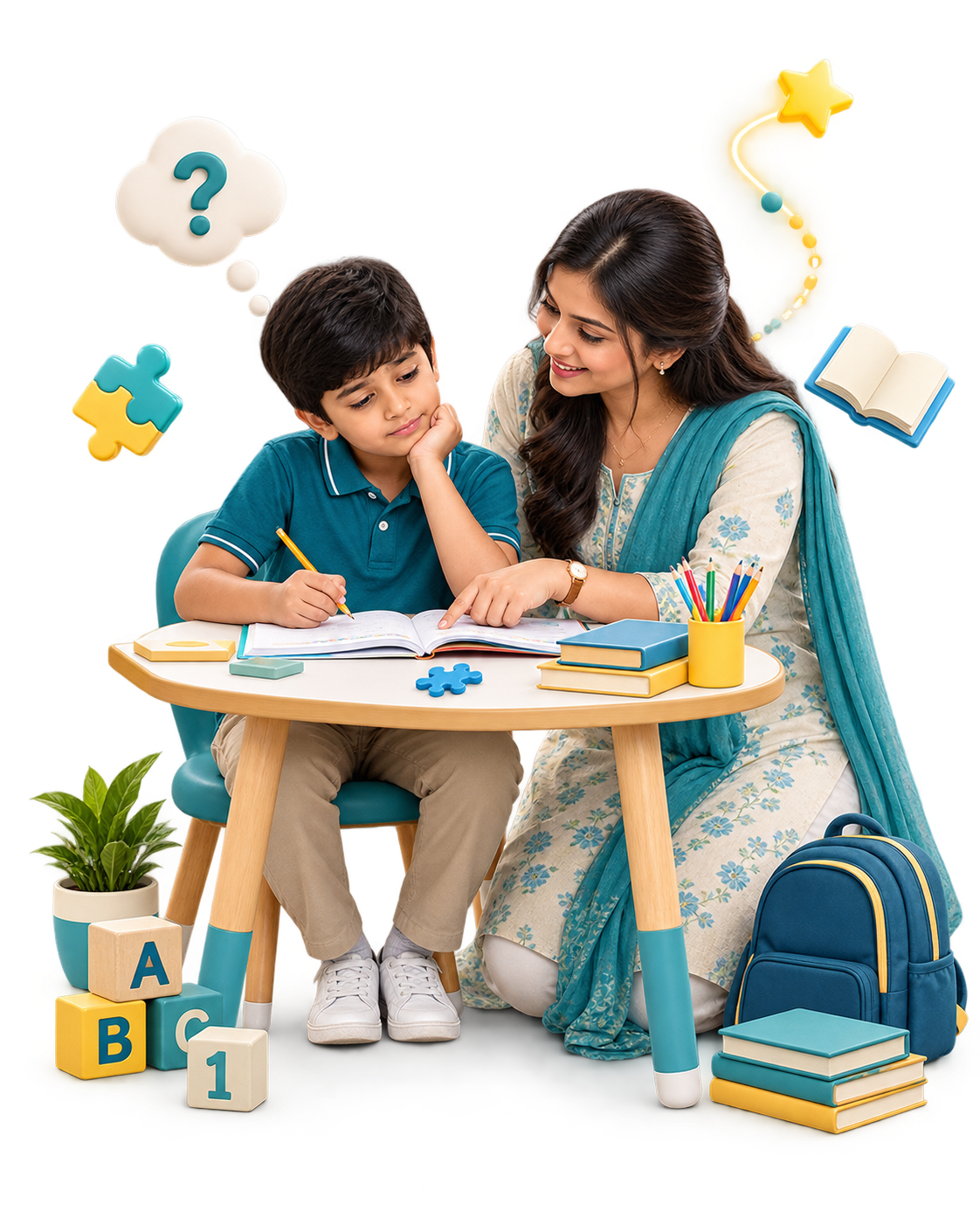
BILATERAL COORDINATION
Many everyday activities require coordinated use of both sides of the body.
MOTOR PLANNING
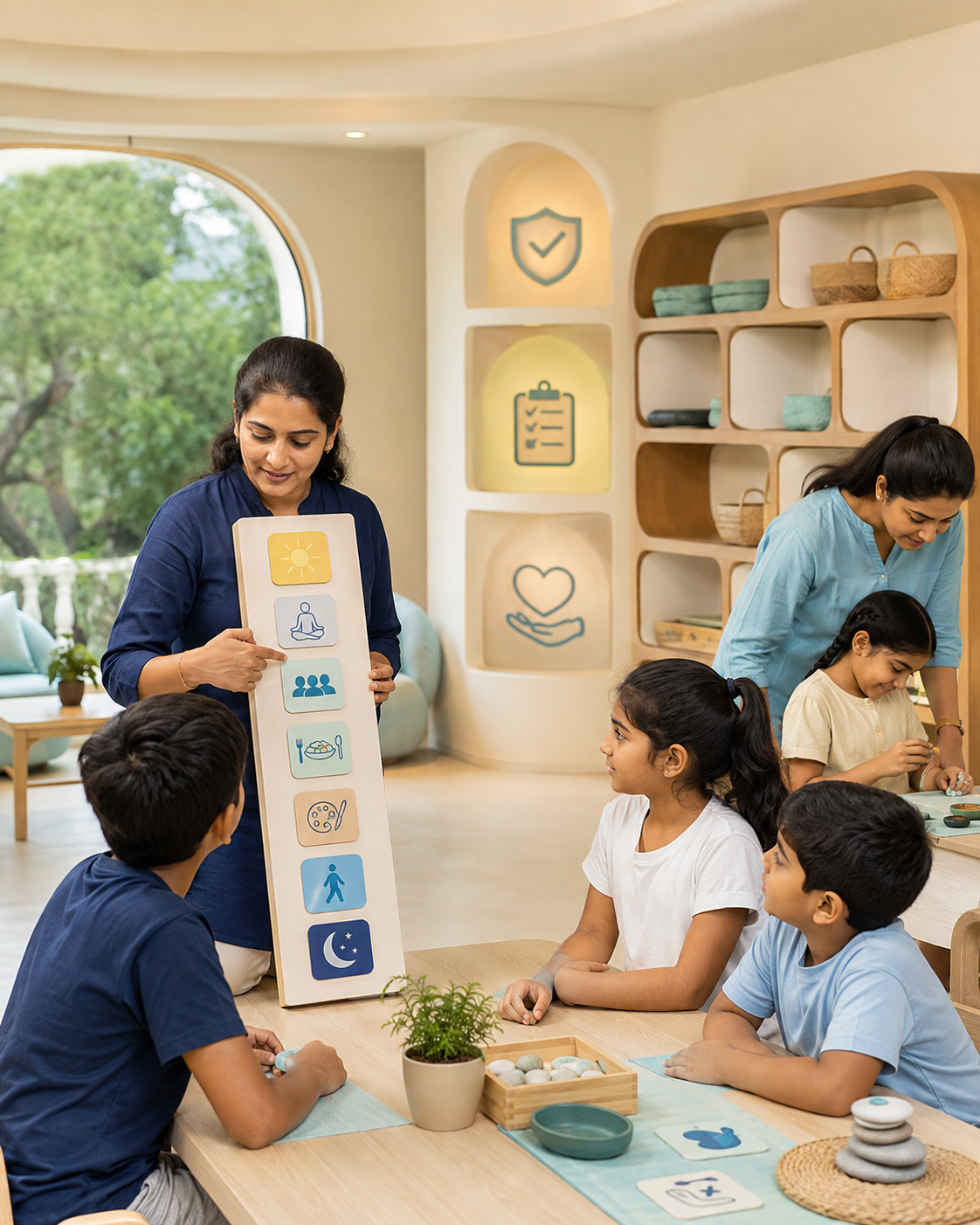
Motor planning is the ability to understand, organise and carry out a movement that may be unfamiliar.
Breaking movements into smaller steps and providing demonstrations can make new activities easier to learn.
VISUAL-MOTOR COORDINATION
Visual-motor skills help coordinate visual information with the movements of the hands and body.
SUPPORTING EVERYDAY INDEPENDENCE
One of the most meaningful goals of occupational support is helping children participate more independently in everyday life.
Clothes, buttons, zips and footwear.
Utensils, containers and comfortable mealtime participation.
Brushing teeth, washing hands and grooming.
Packing bags, materials and workspace organisation.
Putting away toys and completing simple household tasks.
SENSORY STRATEGIES AT HOME
There is no single sensory strategy that is appropriate for every child.
MOVEMENT CAN SUPPORT PARTICIPATION
Some children find it easier to return to learning after appropriate movement rather than being expected to sit continuously.
WHEN SENSORY NEEDS AFFECT BEHAVIOUR
A child covering their ears and wanting to leave a busy room may not simply be refusing to participate. The environment may feel too loud or overwhelming.
Looking beyond the immediate reaction can help adults understand what support may be useful.
HOW PARENTS CAN ENCOURAGE MOTOR SKILLS AT HOME
Familiar activities can provide valuable opportunities to strengthen fine motor, gross motor and planning skills.
WHAT PARENTS CAN NOTICE & RECORD
Which sounds, textures, environments or movements are avoided or sought?
How are pencils, scissors, buttons and small objects managed?
How comfortable are running, jumping, climbing and ball activities?
Which dressing, eating, hygiene or organisation tasks need help?
What situations commonly lead to discomfort or overwhelm?
What helps your child become comfortable and participate again?
PERSONALISED OCCUPATIONAL & SENSORY SUPPORT AT ASTRAKIDS
Every child has a different combination of strengths, sensory preferences, motor abilities and everyday needs.
Supporting comfortable participation in everyday environments.
Building hand and finger coordination.
Strengthening balance and whole-body coordination.
Coordinating visual information with movement.
Organising and completing unfamiliar movements.
Developing skills that support learning activities.
Dressing, eating, hygiene and organisation.
Reducing reliance on adult assistance where appropriate.
WHEN TO CONSIDER ADDITIONAL SUPPORT
Parents may consider seeking appropriate professional guidance when sensory or motor difficulties are persistent and regularly interfere with everyday activities.
SUPPORT YOUR CHILD'S EVERYDAY DEVELOPMENT
The goal is not to make every child respond to their environment in exactly the same way.
The goal is to understand how the child experiences everyday activities and help them develop the skills and strategies needed to participate more comfortably and independently.

Please choose the support you are looking for.
A short description will help our team guide you better.
Just your name and WhatsApp number.
Tap the button below to send these details directly to AstraKids on WhatsApp.
🔒 Your information is used only for responding to your enquiry.